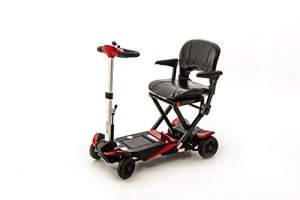
Portable Mobility Scooters: Enhancing Freedom and Independence
As the world progressively moves towards inclusivity and accessibility, portable mobility scooters have emerged as an innovative solution for individuals with mobility obstacles. These compact, easy-to-transport scooters are designed to empower users with the capability to navigate their environments with self-confidence and ease. In this blog post, we will explore the characteristics, advantages, and considerations when selecting a portable mobility scooter, supported by tables and FAQs to provide a comprehensive introduction.
Comprehending Portable Mobility Scooters
Portable mobility scooters are lightweight, battery-operated lorries that offer an alternative mode of transport for those with minimal mobility. Put together utilizing durable materials, they are specifically crafted to be lightweight and compact to help with easy transportation in vehicles or on public transport.
Key Features of Portable Mobility Scooters
| Function | Description |
|---|---|
| Weight Capacity | Most scooters can support users weighing between 250 to 500 lbs |
| Battery Life | Typical variety of 10 to 30 miles per charge |
| Speed | Typically operates in between 4 to 8 mph |
| Turning Radius | Differs from 32 to 60 inches, making them suitable for indoor usage |
| Foldability | Numerous models can be quickly folded for transport |
| Wheels | Normally geared up with either strong or pneumatic tires |
Portable mobility scooters are ideal for both indoor and outdoor usage, providing stability and ease of movement.
Advantages of Portable Mobility Scooters
- Improved Freedom: Users can engage in activities that were previously tough, such as shopping and interacting socially, therefore improving overall quality of life.
- Transport Convenience: Many portable scooters can be quickly taken apart or folded, enabling users to carry them in cars and trucks, vans, or public transportation.
- Cost-efficient: Compared to powered wheelchairs, portable scooters are often less costly, offering an affordable service.
- User-Friendly Design: Most designs feature user-friendly controls, making them simple to operate for people of all ages.
- Variety of Options: With various brand names and models on the market, prospective users can pick scooters that match their particular needs-- ranging from off-road usage to compact indoor alternatives.
Essential Considerations When Choosing a Portable Mobility Scooter
- Weight and Portability: Assess the weight of the scooter itself and its elements. Lighter designs are normally easier to carry.
- Battery Life and Range: Consider how far you require to travel on a single charge. If you prepare for long journeys, a scooter with an extended battery life is critical.
- Size and Dimensions: Measure where you'll save the scooter and guarantee it fits comfortably in your lorry or home.
- Convenience Features: Look for scooters with adjustable seats, armrests, and other ergonomic functions for added convenience during usage.
- Surface Compatibility: If you prepare to utilize the scooter outdoors, ensure it can deal with numerous surfaces (e.g., gravel, yard) with ease.
| Consideration | Importance |
|---|---|
| Weight & & Portability | Impacts ease of transportation and storage. |
| Battery Life | Figures out variety and flexibility to explore. |
| Size | Important for storage and maneuverability. |
| Convenience Features | Improves the total user experience. |
| Surface Compatibility | Ensures adaptability in outside conditions. |
Regularly Asked Questions (FAQs)
1. How quick can a portable mobility scooter go?
Many portable mobility scooters can reach speeds in between 4 to 8 mph. However, the speed might vary based on the model and the weight of the user.
2. Do portable mobility scooters require a license or registration?
In the majority of nations, portable mobility scooters do not need a motorist's license or registration, but it's necessary to inspect regional regulations.
3. What is the common cost series of portable mobility scooters?
Costs normally range from ₤ 600 to ₤ 3,000 or more, depending on features, brand name, and specifications.
4. Can portable mobility scooters be used on mass transit?
Yes, numerous public transport systems accommodate portable mobility scooters, but it's suggested to sign in advance regarding policy information and space limitations.
5. What are the maintenance requirements?
Routine maintenance consists of battery checks, tire inspections, and keeping the scooter clean. check this site out 's encouraged to speak with the user handbook for specific maintenance guidelines for your model.
Portable mobility scooters have ended up being a lifeline for numerous individuals looking for self-reliance and mobility in their lives. Their convenience, ease of use, and variety of available models allow users to select the ideal scooter to fit their way of life.
For anyone thinking about purchasing a portable mobility scooter, it's vital to assess personal needs thoroughly and explore various choices on the market. With the best option, these scooters can significantly improve mobility and assist in a more active lifestyle, eventually leading to improved health and wellbeing.
By comprehending the features and factors associated with choosing a portable mobility scooter, users can take the very first action towards claiming their flexibility again. Whether for running errands, delighting in the outdoors, or simply walking around the home, portable mobility scooters redefine what it suggests to stay active and engaged in life.